
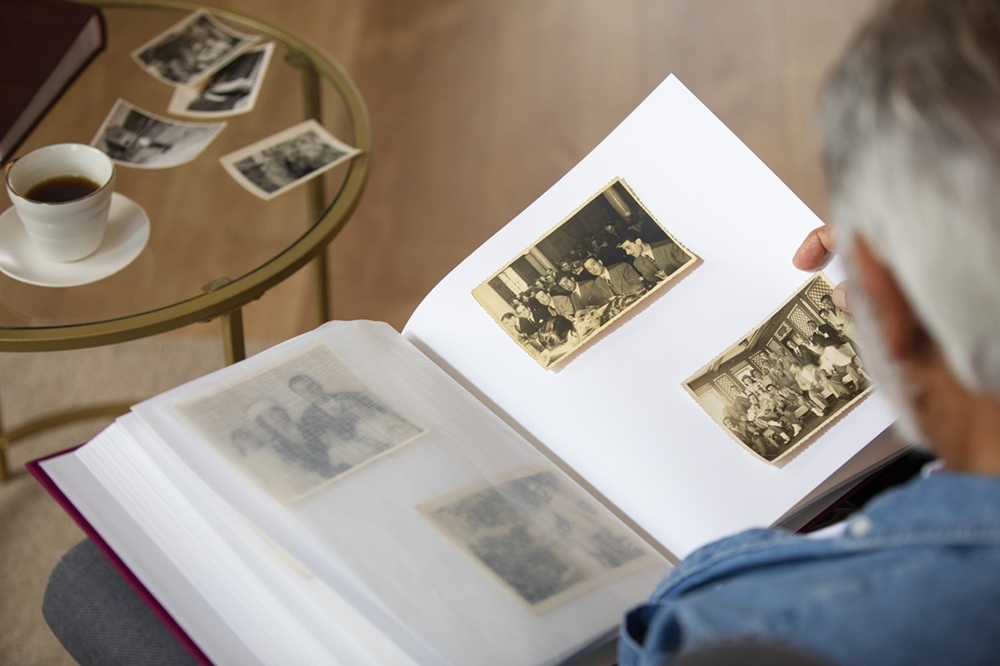
If you have ancestors from Romania, uncovering their past can be an important step towards reconstructing your family history or preparing an application to regain Romanian citizenship. However, locating and obtaining historical records, such as birth and marriage certificates, census records, or emigration lists, can quickly become challenging because these documents are scattered across different archival collections and institutions.
This practical guide explains the main steps, archival sources, and research strategies that can help you navigate Romania’s complex archival system.
Historical Background: Emigration and the Challenges of Archival Research
During the nineteenth and twentieth centuries, many people emigrated from territories that are now part of Romania. Their reasons varied considerably, from seeking a better life in America to fleeing political or religious persecution. Population transfers and territorial changes also prompted migration, including among Turkish and Tatar communities.
Later, during the communist period, many Romanian citizens attempted to escape political repression. In some cases, the communist regime turned its citizens’ desire to leave the country into a source of foreign currency and considerable revenue. The authorities allowed some Jewish and ethnic German citizens to emigrate in exchange for payments made through arrangements involving Israel and the Federal Republic of Germany (West Germany), or, in certain cases, by relatives living abroad.
Regardless of when or why people left, emigration generated a wide variety of administrative records that survive in archives today. Throughout history, Romanian authorities closely monitored migration. They produced documents such as passports, emigration lists, decisions concerning nationality or the loss of citizenship, expropriation records, and surveillance files.
These records are not held in a single location. Instead, they are spread across different archival collections and institutions. Without experience in historical research, finding documents relating to your Romanian ancestors can quickly become a complex undertaking.
How Do You Begin Your Genealogical Research?
Genealogical research often begins with a name and a story passed down through generations. But that is only the first step. A good starting point is what genealogists call “home sources”: documents, photographs, correspondence, and oral histories preserved within the family.
Begin by gathering as much information and documentation as possible about your ancestors who left Romania. Organize what you have collected, then establish a clear research objective. This process will help you distinguish between what you already know and what remains to be discovered. More importantly, it will help you identify which documents you still need to find and obtain. Only after completing these initial steps should you begin identifying the archives and institutions that may hold the records you need.
Identify the Archives That May Hold the Records
Romania’s archival holdings are spread across several institutions. There is no single archive containing every document you might need for genealogical research. Depending on the historical circumstances of your ancestor’s emigration and the information you are seeking, relevant records may be held by the National Archives of Romania, the National Council for the Study of the Securitate Archives (CNSAS), military archives, or diplomatic archives. Successful research depends on clarifying two essential points.
The first is your research objective. For example, obtaining a birth record generally requires knowing the locality where the birth was registered. The second is the accuracy of the information you have about your ancestor. In Romania, names such as Buzău, Galați, Bacău, and Vaslui refer to both towns/cities and counties. Identifying the correct administrative area is therefore essential when searching for historical records. For example, if a family story says that your ancestor came from Buzău, you need to establish whether this refers to the city itself or to another locality within Buzău County. This distinction can make a significant difference when determining which archive to contact.
Check the Rules for Accessing Archival Records
Although archival activities in Romania are governed by Law No. 16/1996 on the National Archives, individual public archival institutions also have their own regulations. These establish the conditions for accessing documents, the number of files that researchers may consult, and the rules governing photography or the reproduction of archival materials. We explain these procedures in greater detail in our guides to researching records at the National Archives of Romania and conducting research at CNSAS.
Genealogical Research or Documents for Romanian Citizenship?
Before beginning archival research in Romania, it is essential to define your ultimate objective. Are you interested in discovering your family origins and reconstructing your family history? Or are you looking for documents that could support an application to regain Romanian citizenship through your ancestry? Clarifying your objective from the outset is important because it will shape your research strategy and determine the types of documents you need.
For many people, researching their Romanian ancestors serves a dual purpose: discovering family roots and gathering evidence for a citizenship application. Since Romania joined the European Union in 2007, Romanian citizenship also grants EU citizenship, bringing significant benefits.
Although traditional genealogical research and forensic genealogy share many methods, they have different objectives and therefore require different approaches. Traditional genealogy aims to reconstruct a family’s history as comprehensively as possible, exploring family relationships, individual lives, and historical circumstances. Forensic or legal genealogy, by contrast, applies genealogical research methods and standards to matters with legal implications. These may include documenting family relationships and ancestry for citizenship applications, identifying heirs, or researching historical property ownership. In the context of Romanian citizenship applications, the primary objective is to identify and obtain the official records needed to establish and document the applicant’s ancestry.
What Documents Might You Need?
Depending on your research objectives and the circumstances surrounding your ancestor’s emigration, you may need vital registration records, census returns, property records, emigration lists, or other types of historical documents. The table below outlines some of the main categories of records and the institutions where they may be found.
|
Type of record |
Where it may be found |
|---|---|
| Vital records more than 100 years old | County-level branches of the National Archives of Romania |
| Vital records less than 100 years old | Local vital registration offices and the relevant public authorities responsible for civil status records |
| Parish registers | County-level branches of the National Archives and religious or denominational archives |
| Military records | Primarily military archives, although some records may also be held by the National Archives |
| Political surveillance files | CNSAS, particularly for records relating to communist-era surveillance, and the National Archives for records produced by earlier security and police institutions |
| Emigration records | National Archives of Romania, CNSAS, and Romanian Diplomatic Archives |
Online Genealogical Research: Myth or Reality?
People hoping to conduct their genealogical research entirely online often have in mind the large international databases offered by platforms such as Ancestry or MyHeritage.
In Romania, the situation is different. Local databases do exist, but they are generally more limited in scope. Only a relatively small proportion of Romania’s archival holdings has been digitized, and many online resources focus on specific historical subjects rather than genealogy.
Examples include the Medieval Archives (Arhiva Medievală), historical photographic collections such as Fototeca, and ANDCO, a research database concerning the history of communist activists and organizations in Romania. For genealogical research, one of the most important resources is the online portal of the National Archives of Romania, where digitized vital registration records can be consulted. However, efforts to reproduce and preserve archival documents are not entirely new.
Similar initiatives existed in earlier decades, including during the communist period. For example, the Bacău County branch of the National Archives holds microfilm copies of historical vital registration records. These materials have limitations. They can be consulted only on site and are not available remotely. Furthermore, some microfilms have deteriorated over time, while the quality of the original reproductions and the availability of suitable reading equipment can make consultation difficult.
So, can you conduct your entire genealogical research online?
The short answer is: it depends. It depends on the documents you are looking for, the archive in which they are held, and whether they have been digitized. In some fortunate cases, an entire collection may have been scanned and made available online, allowing you to carry out much, or even almost all, of your research from your computer. In other situations, only documents from certain periods may be available digitally. You may also encounter scanned records that have not been indexed.
When that happens, you may need to examine the relevant documents page by page to locate the information you need. In addition to digitized records, the National Archives provide archival inventories and other finding aids that can help researchers identify relevant collections and documents. Although some genealogical investigations can be conducted partially or entirely online, more complex research involving ancestors from Romania often requires consulting original archival holdings and may benefit from the assistance of a professional genealogist based in Romania.
How Can You Request a Document from a Romanian Archive?
Many people assume that vital registration records more than 100 years old are automatically held by the county branches of the National Archives. Under Law No. 16/1996, vital registration records are generally due to be transferred to the National Archives after 100 years. However, not all county-level archival institutions have received every eligible register.
One reason is the lack of sufficient storage space. Consequently, a vital registration record more than a century old may still be held by the institution responsible for its original creation or custody. Knowing this can be particularly useful when trying to locate a missing record. If you have specific information about your ancestor, such as the year and locality of their birth, marriage, or death, you may be able to request copies directly from the relevant branch of the National Archives.
The same applies when you know where your ancestor was living at the time of the 1930 or 1941 censuses and the relevant records have survived. For census records concerning urban areas, it may also be necessary to identify the street where the family lived in order to locate the appropriate census form. You can learn more about these procedures in our guide to researching records at the National Archives of Romania.
Direct Requests and Archival Realities
You can also search the online portal of the National Archives. The available search options depend on how particular records and collections have been described or indexed.
Some records can be located through names or other identifying details. In other cases, you may need to consult archival inventories or examine digitized files individually. Our recommendation is to begin with the available finding aids and archival inventories before moving on to individual documents. More complex investigations may require the assistance of a professional historian or genealogist based in Romania.
Although some records can be identified and requested remotely, conducting research from within Romania can make it easier to consult collections that are not available online and obtain the documents you need.
Are There Professional Researchers Who Can Help?
If you cannot travel to Romania or find it difficult to conduct the research yourself, you can seek the assistance of a professional historian or genealogist. At Centrul de Consultanță Istorică (Historical Consulting Centre), we provide specialized historical research, genealogical research, and forensic genealogy services. Each service is designed to address a particular research objective.
For example, forensic or legal genealogy may involve gathering historical documentation to support an application to regain Romanian citizenship. It can also help trace property ownership, identify heirs, or locate records concerning missing persons.
Not Sure Where to Begin Your Genealogical Research?
Research in Romanian archives is a complex and time-consuming process. Successful research requires more than just accessing the archives. It demands a thorough understanding of archival collections and the ability to identify records relevant to your objectives. You also need a sound research methodology and careful management of administrative procedures. The team of historians and genealogists at Centrul de Consultanță Istorică can help you navigate these challenges.
Whether you want to learn more about your Romanian ancestors, reconstruct your family tree, or gather documents for a Romanian citizenship application, we invite you to complete our free preliminary genealogical assessment form.
We will review the information you provide and offer an initial assessment of your case. If you decide to proceed with our services, we will then develop a personalized research strategy tailored to your objectives.

