
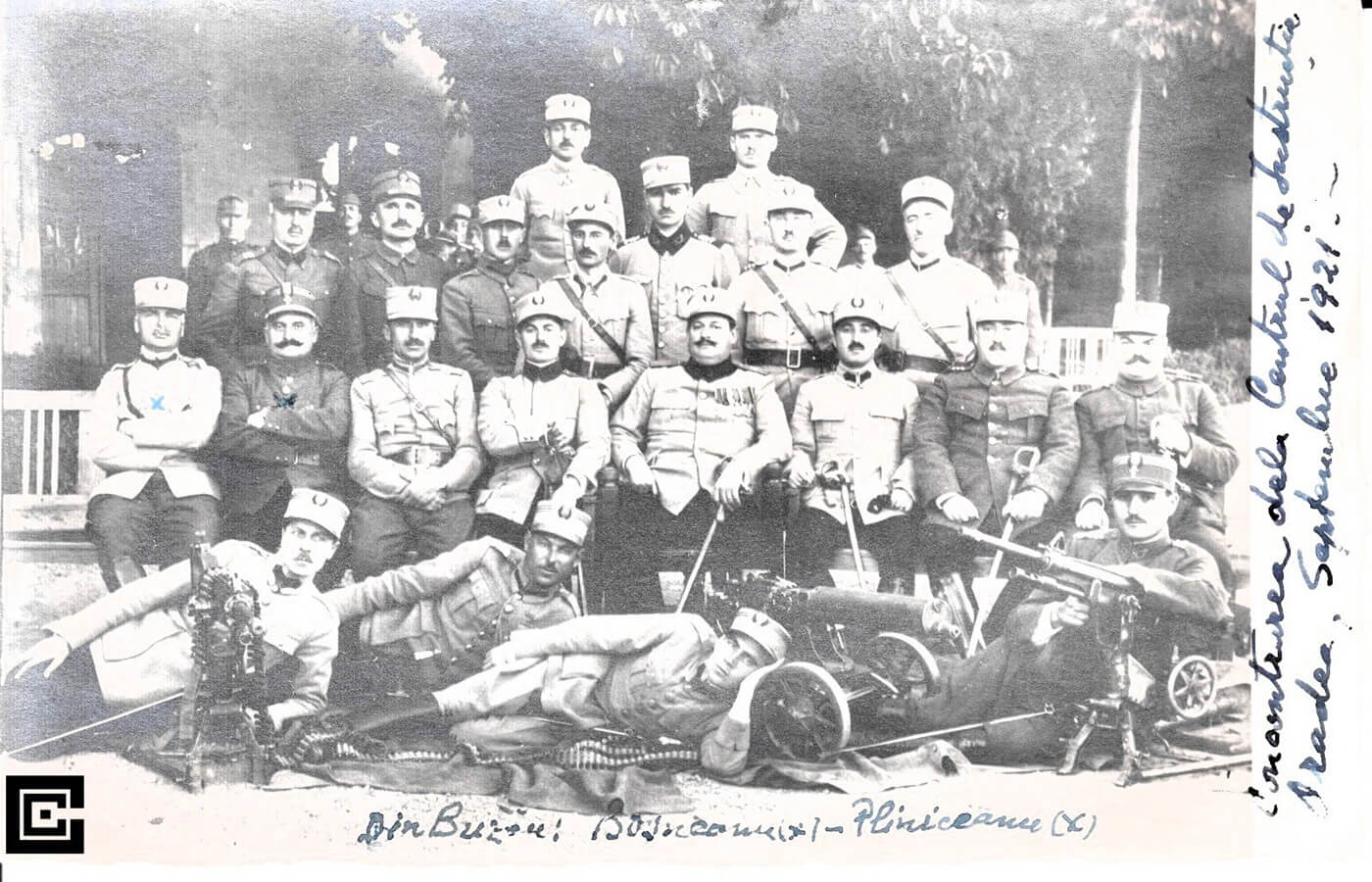
Many families have stories about a grandfather or great-grandfather who went off to war and never returned. In the 20th century, Romania participated in both World Wars, and among the soldiers were our ancestors. Some died on the battlefield, others in prisoner-of-war camps, and for many, their fate remains unknown.
This guide will help you trace Romanian relatives who went missing during the war using archives, veterans’ associations, memorials, and historical records.
Step 1: Start With the Facts You Already Have
Begin by collecting the following key details:
- Full name
- Year and place of birth
- Parents’ names
Where to look:
-
- Ask older family members.
- Search your family archive for birth certificates, official records, letters, or photographs.
- If you cannot find the birth certificate, contact the National Archives or the local town hall to request a certified copy. For guidance on accessing vital records in the Romanian archives, read this article.
Tip: The year of birth can indicate the military draft class and the likely period of enlistment.
Step 2: Request the Military Service Record
Once you have the basic information, submit an official request to the National Military.
Archives for the soldier’s service record (also called a “military file”).
Include:
- The soldier’s full name, date and place of birth, and parents’ names
- Your name, date of birth, and address
- A statement explaining that your request is for genealogical purposes (or another reason, such as a compensation claim)
- A copy of your ID and any relevant documents
Send the request by email or post. Be prepared to wait — responses may take several weeks or even months to arrive.
Step 3: Explore Other Archives
If the military record is incomplete, expand your search to:
- The National Archives of Romania
- Local archives or civil registry offices in the town of birth
- Death registers and historical censuses
Look for:
- Recruitment lists
- Records of soldiers missing in action
- Lists of war widows and orphans
- Local council records and wartime statistics
Step 4: Consult Published Sources and Veterans’ Associations
In Romania, almost every county has a branch of the National Association of the Cult of Heroes Queen Mary, a non-governmental, non-political organisation dedicated to honouring the memory of national heroes and maintaining war memorials.
These local branches actively identify, preserve, and restore monuments and cemeteries, organise commemorative and educational events, and publish works on both regional and national military history.
Check whether these organisations hold documents or published rolls of honour. Your ancestor’s name might appear in:
- Books about local wartime history
- Documentary editions or archival publications
Step 5: Visit Local War Memorials
Most towns and villages have monuments honouring those who died in war. These monuments often include names, birth years, and sometimes the military units.
Tip: Take photos, write down the names, and compare them with the archive record.
Challenges in Research
Tracing soldiers from World War I can be more difficult because the Military Archives do not preserve records for those born before 1900. In these cases, rely on alternative sources such as:
- Death certificates
- Statistical reports
- Published memoirs
Tracing Romanian relatives who went missing during the war can be challenging. With the right resources, you can uncover their story and honour their memory.
Researching your ancestors may require reviewing dozens of files across multiple archives. If you have limited experience, consider hiring a professional historian or genealogical researcher — it can save time and ensure that every piece of information is properly analysed and valued.
Contact us today to start your search and uncover the stories of your Romanian ancestors.

