
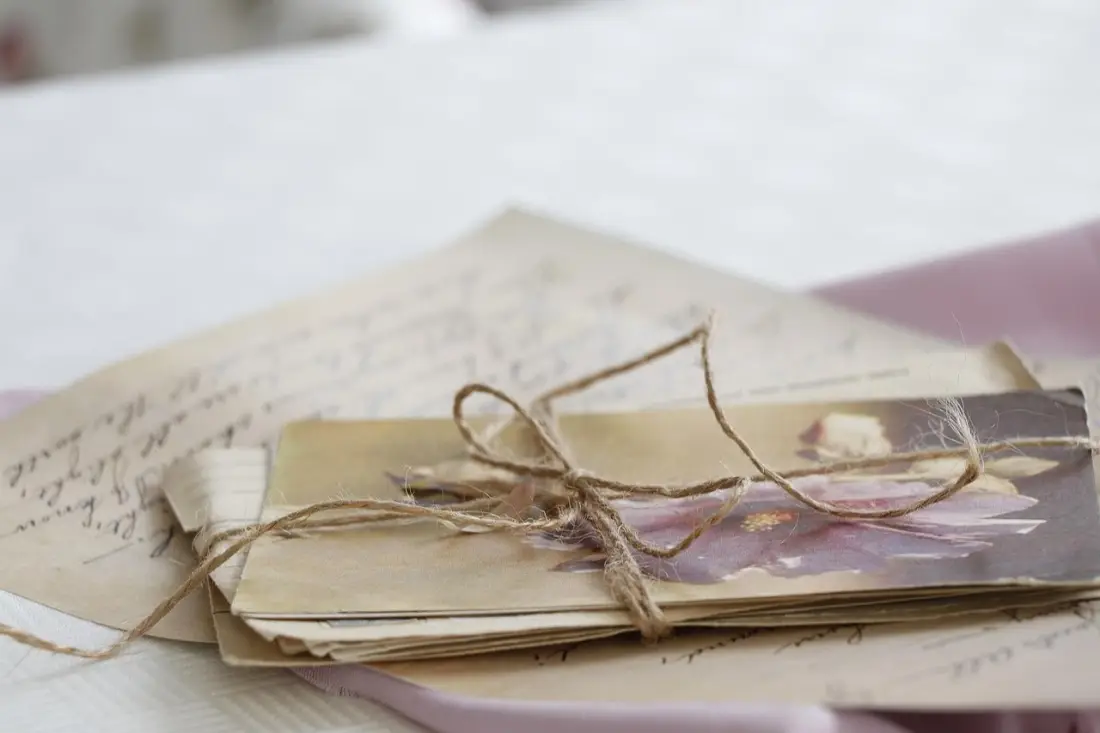
Organising old family documents is key to preserving personal memories and helping with family history research. Whether you’ve inherited papers or are just starting to collect family information, it can be hard to keep everything in order without a clear system. Luckily, there are simple methods and tools to help you organise your family documents. This guide offers practical solutions for organising family documents efficiently.
Why Organising Family Documents Matters
Keeping old family documents isn’t just practical – it also preserves your family history. Over time, families collect birth, marriage, and death certificates, photos, letters, and other documents that can be key pieces of a genealogical puzzle. Left unorganised, these documents can get lost or damaged, and the information they contain may become difficult to access or understand.
A clear system helps you find information quickly and see how people, events, and periods are connected. It also lets you pass on a clear story of your family’s identity and roots to future generations.
Step 1: Create Folders and Subfolders on Your Computer
Start by organising the documents you already have, even if your collection is small.
- Gather and photograph documents from around your home – attics, drawers, boxes – and ask relatives for any additional papers.
- Create a main folder on your computer, e.g., “My Family Tree”.
- Create subfolders inside the main folder, for example:
- Me / My Documents
- Paternal Branch
- Maternal Branch
- Add further subfolders for specific document types:
- Birth, Marriage, Death Certificates
- School Records
- Military Records
- Census Forms
- Wills and Property Documents
Step 2: Identify and Collect Documents
Start with what you already have: birth and marriage certificates, diplomas, and employment records. Then extend your search to parents, grandparents, uncles, aunts, and more distant relatives. It’s also a chance to chat with family and gather stories about your relatives. You can also explore vital records in the Romanian archives to uncover more documents about your ancestors.
Step 3: Photograph or Scan Documents
Clear digital copies are essential.
Tips for photographing documents:
- Place documents on a flat surface with natural light. Avoid direct artificial light.
- Hold your camera or phone directly above the document.
- Check for clarity and retake any blurry photos.
- Transfer files to your computer and name them, e.g., John_Smith_birth_certificate.
- Place each file in the correct folder.
Tip: For old documents, skip the scanner feeder, use an overhead scanner or take careful photos instead. You could also ask children or grandchildren to help with the process.
Step 4: Make an Index
Create a simple index to track what you have and where it is stored. You can start with:
Example:
- Title: My Family Documents
- Section A (Generation 1): Your documents
- Birth certificate
- Marriage certificate
- School diplomas
- Employment records
- Letters / Correspondence
- Photographs
- Section B (Generation 2): Paternal branch
- Section C (Generation 2): Maternal branch
- Section D: Children and grandchildren
Keep the index digital (Word, Excel, or Google Docs) for easy updates.
Step 5: Read and Take Notes
Don’t just collect documents – read them carefully and make notes about their content. Avoid marking original documents. It helps you understand the story behind each item.
Step 6: Transcribe and Translate
If documents are handwritten or in another language (e.g., Hungarian, German, Russian), consider getting help from a genealogist, paleographer, or specialised translator. Start with a small sample to check the quality of their work.
Step 7: Store Documents Safely
Keep physical documents organised in folders or binders. Preserve any original folders from relatives.
Backup digital copies to an external hard drive and a cloud service, and share copies with a trusted family member.
Step 8: Preserve and Share Your Family History
Organising documents isn’t just about tidiness – it’s about caring for your family’s past. Each document, photo, or letter is a piece of a story. Take your time, work step by step, keep a clear record, and involve family if possible. Genealogy is a long journey, but it’s worth it for you and future generations.
Whether you have just a name and a date or a family story passed down through generations, we can turn clues into documented history. Contact us today to start your search and uncover the stories of your Romanian ancestors.

